Don't miss our holiday offer - up to 50% OFF!
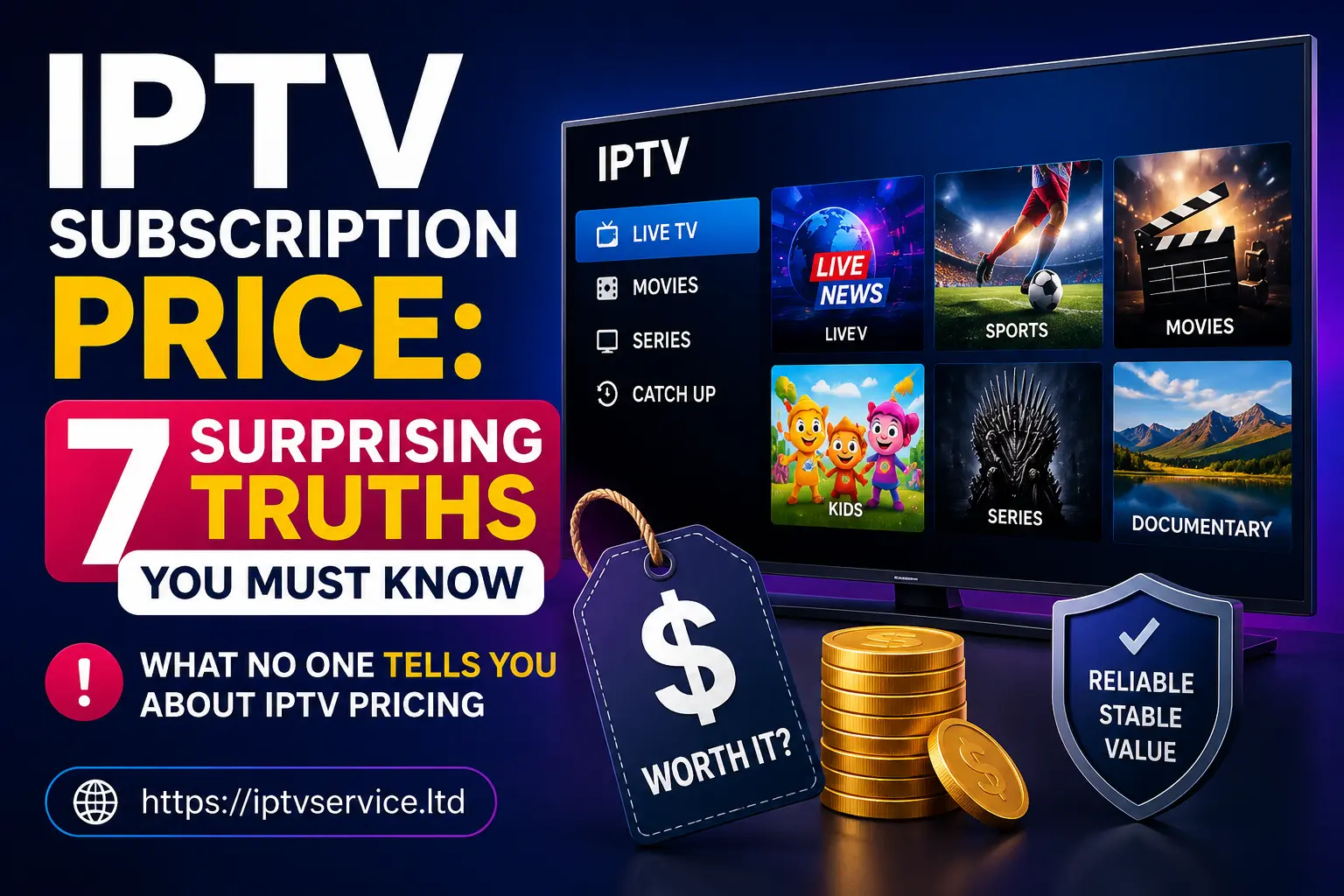
What No One Tells You About IPTV Pricing

Picture this. You’ve just cancelled your cable subscription £60 a month, half those channels unwatched and you’re browsing around for a smarter alternative. You find IPTV. The prices seem almost comically low. Five pounds a month. Ten. Some providers offering “lifetime” plans for thirty quid. You hesitate, because something in the back of your mind whispers: this can’t be right.
That hesitation is worth listening to.
IPTV subscription price varies so wildly across the market that two services sitting at opposite ends of the pricing spectrum can appear to offer the same thing while delivering completely different experiences. One streams 4K reliably during peak hours. The other buffers during a Premier League match at exactly the wrong moment.
Having tracked this market for years, I’ve seen the same cycle repeat itself. Consumers chase the cheapest option, hit a wall of quality issues, then migrate toward something better. The frustrating part is that the information to make a smarter first decision has always been available. It’s just buried under a lot of marketing noise.
This article is my attempt to cut through that noise.
How IPTV Subscription Price Compares to Traditional TV
The context matters enormously here. A standard Sky TV package in the UK sits somewhere between £40 and £80 per month depending on what bundles you add. Virgin Media is broadly similar. Freesat is free, but obviously limited. And streaming services like Netflix, Disney+, and Amazon Prime collectively run you £25 to £35 a month if you subscribe to all three.
IPTV positions itself in a different lane entirely.
A legitimate, well-run IPTV service typically charges between £8 and £25 per month for a full channel package. That’s the honest middle ground. It gives you access to hundreds or thousands of channels, on-demand libraries, and often multi-screen support. At that price, the value proposition is genuinely compelling, provided the service is legal and licensed in your region.
Then there’s the grey market end of the spectrum. Services at £3 or £5 a month, sometimes sold through social media or forums, with no verifiable company behind them. The iptv subscription price being that low should prompt serious questions about sustainability, legality, and support. According to research published by the Digital Citizens Alliance, consumers who use unlicensed streaming services are significantly more likely to encounter security vulnerabilities in the apps and devices used to access them. That’s a real cost that doesn’t appear on the invoice.
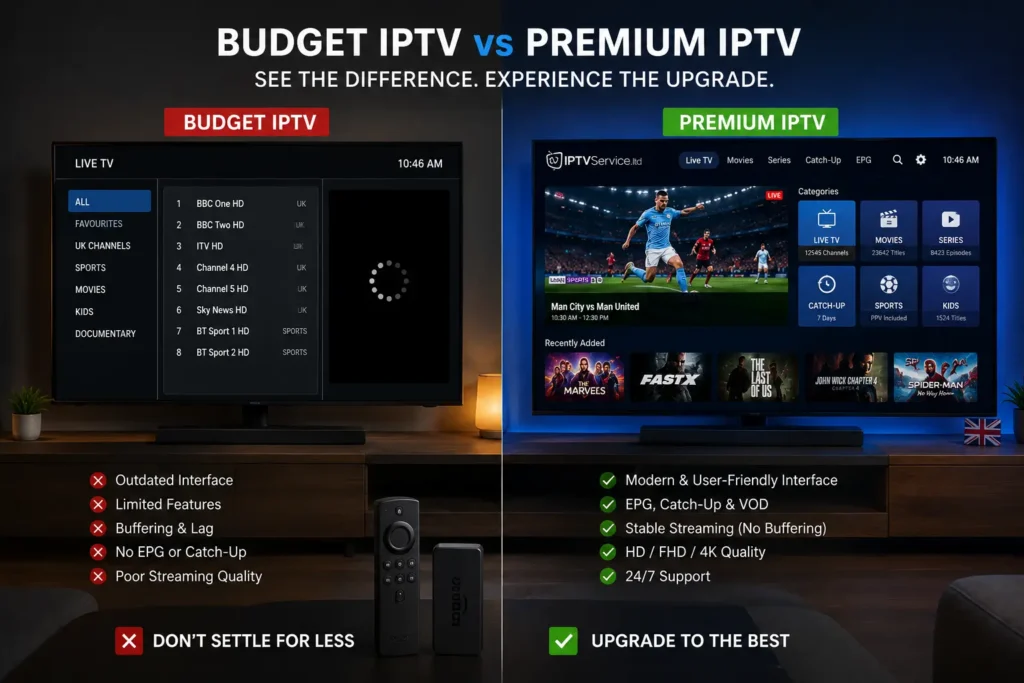
The Real Variables Behind the Price Tag
So what actually determines what a provider charges? It’s worth thinking through the moving parts, because they directly affect whether you’re getting value for money.
Server Infrastructure and Uptime
Running a high-quality IPTV service at scale is not cheap. Providers who maintain redundant servers, multiple content delivery networks, and around-the-clock technical monitoring have real operational costs. When you pay more, you’re partly paying for that infrastructure.
Services that charge very little often cut corners here. You’ll notice it on Saturday evenings when a few thousand subscribers hit the same stream simultaneously.
Channel Count vs. Channel Quality
Here’s something the marketing rarely explains. A provider boasting 10,000 channels sounds impressive until you realise that 6,000 of them are low-bitrate streams of obscure regional channels you’ll never watch. The IPTV subscription price attached to that enormous number may not reflect genuine value.
What matters more is whether the channels you actually care about, say BBC One, Sky Sports, beIN Sports, or your preferred international package, run at proper bitrates with consistent availability.
VOD Libraries and Catch-Up Content
Many providers now bundle video-on-demand content alongside live TV. The quality and depth of these libraries varies considerably. Some include recent films; others pad their numbers with content so old it’s practically archaeological. A slightly higher iptv subscription price from a provider with a solid, regularly updated VOD library can represent better value than a rock-bottom plan with nothing worth watching.
| Feature | Budget Provider (£3–6/mo) | Mid-Range Provider (£8–15/mo) | Premium Provider (£18–25/mo) |
|---|---|---|---|
| Channel Count | 3,000–10,000 (mixed quality) | 1,500–5,000 (curated) | 500–3,000 (high quality) |
| Average Uptime | 85–92% | 95–98% | 98–99.9% |
| VOD Library | Limited / outdated | Moderate, updated monthly | Extensive, updated weekly |
| Customer Support | Minimal / forum-based | Email + ticket | 24/7 live support |
| Simultaneous Streams | 1 | 2–3 | 3–5 |
Quality, Reliability, and What They Cost Extra
Reliability is the invisible cost of cheap IPTV. You don’t see it in the monthly fee you feel it during the Champions League final.
A good benchmark to use is this: if a provider can’t clearly explain what happens when their service goes down, how they handle it, and what their average uptime looks like, walk away. Transparent providers publish these figures or at least discuss them openly. The ones who won’t are usually hiding a patchy track record.
The iptv subscription price should factor in what the service does when things go wrong, not just when everything runs smoothly.
Picture Quality and Bitrate
Bitrate is technical shorthand for how much data per second is used to deliver a video stream. Higher bitrate means sharper, more stable images, especially during fast-moving content like sport or action films. Most decent providers now offer HD streams at 5–8 Mbps and 4K streams at 15–25 Mbps.
If a provider’s pricing seems too good to be true and their streams top out at 2–3 Mbps, you’re going to see compression artefacts. Blocky images. Colour banding. It’s not catastrophic, but it’s irritating, and over time it erodes the enjoyment.
Network Requirements on Your End
Worth being honest about this: your home internet connection plays a significant role too. A reliable IPTV experience generally needs a minimum of 25 Mbps for HD and 50+ Mbps for 4K. If your broadband is inconsistent, no amount of money spent on a premium iptv subscription price will fully compensate.
When a Cheap IPTV Plan Is a False Economy
Let me share a scenario I’ve heard described more times than I can count. Someone signs up for the cheapest available IPTV service. It works brilliantly for two or three weeks. Then it starts to deteriorate. Streams freeze. Channels go dark. Support, if it exists at all, is unresponsive. After two months of this, they cancel and sign up somewhere else. In total, they’ve spent more time frustrated than they saved in money.
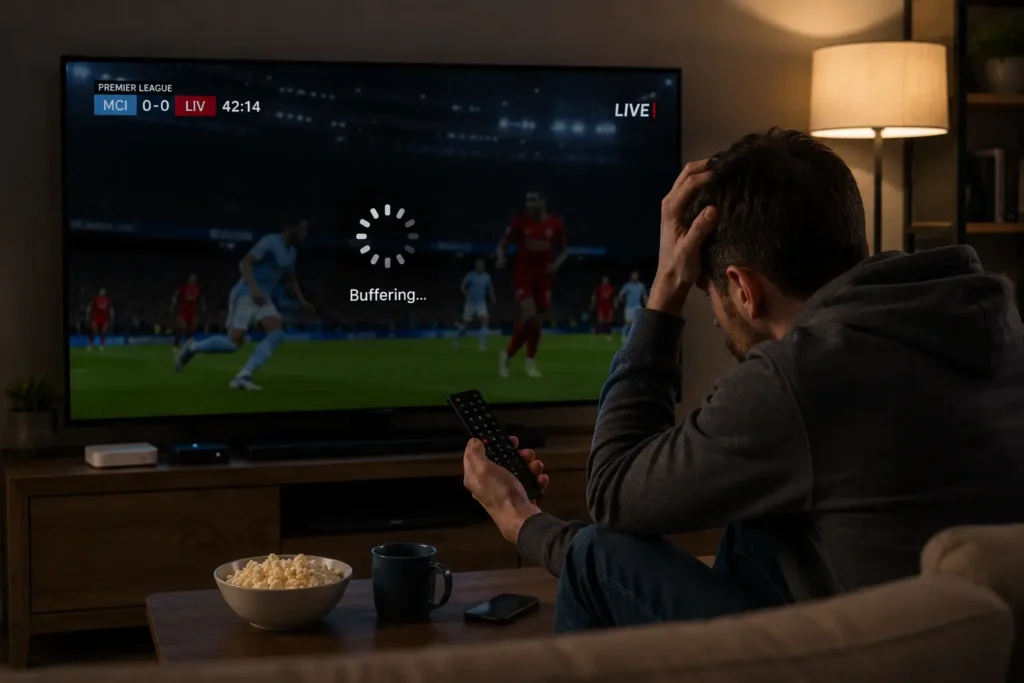
The iptv subscription price alone should never be the deciding factor.
This pattern is particularly common with providers selling what they call “lifetime” plans. There is no sustainable business model that can offer a genuinely unlimited lifetime IPTV service for a one-time fee of £20 or £30. Either the service collapses within a year or the “lifetime” in question is the provider’s business lifetime, which may be surprisingly brief.
TorrentFreak, which covers piracy and streaming industry trends in significant depth, has documented dozens of cases where IPTV services offering suspiciously low pricing shut down overnight, taking subscriber funds with them.
So what’s the right threshold? My view, based on watching this sector evolve, is that anything below £7 per month for a full-service IPTV package warrants serious scrutiny. Between £8 and £20 is where most legitimate operations sit. Beyond £25, you’re paying a premium that needs to be justified by tangible features.
Expert Guide to the Best IPTV Subscription Services
Providers Worth Watching: A Candid Assessment
I’m not going to recommend specific providers by name here, because the market shifts fast and any recommendation I make today may be outdated within six months. What I will do is describe the characteristics of providers that consistently earn their iptv subscription price.
The Indicators of a Trustworthy Service
Legitimate providers are transparent about who they are. They have a verifiable company address or registration. Their terms of service are coherent and written by someone who clearly understands the law. They offer a iptv free trial period, typically 24 to 48 hours, before you commit to a monthly or annual plan.
They also respond to support queries. This sounds basic, but it’s genuinely a differentiating factor. Send an email to a prospective provider before you sign up. Ask a technical question. See how long they take to respond and whether the answer reflects real knowledge.
Legal Licensing and Regional Availability
This is the part most reviews gloss over. IPTV services that carry commercial broadcast content legally must hold licensing agreements with rights holders. In the UK, that means compliance with Ofcom regulations. In other markets, different bodies govern this.
The iptv subscription price of a fully licensed service will always be higher than an unlicensed one. That’s simply the cost of operating within the law. Consumers who choose licensed services are also protected in ways that unlicensed subscribers are not, both in terms of data security and legal exposure.
The Intellectual Property Office publishes guidance on this, and it’s worth a read if you’re uncertain about the services you’re currently using.
How to Evaluate Any IPTV Offer Before You Pay
Right, let’s be practical. You’re comparing two or three services and trying to work out which one deserves your money. Here’s a framework I’d apply.
- Test before you commit. Any provider worth their salt offers a trial. Use it, and use it during peak hours. Tuesday afternoon is a very different experience from Saturday evening at kickoff.
- Check the app or player. Most IPTV services work through an M3U playlist or a dedicated app like TiviMate, Xtream Codes, or a proprietary platform. Make sure the interface is stable and easy to use. A clunky app kills the experience regardless of how good the streams are underneath.
- Read actual user reviews. Not the testimonials on the provider’s own website. Look at independent forums, Reddit’s IPTV-specific communities, and tech review sites. Look for patterns. Isolated complaints about buffering are common everywhere. Systematic complaints about the same issue across dozens of users are a warning sign.
- Understand what you’re paying for. Some providers charge separately for VOD, sports packages, or multi-screen access. The headline iptv subscription price may not reflect what you actually end up paying once you’ve added the extras you need.
- Check cancellation terms. Monthly rolling subscriptions are lower risk than annual plans. Until you’ve used a service for at least a few weeks, I’d recommend starting monthly even if the annual iptv subscription price looks attractive.
Is the cheapest option ever the right one? Occasionally. If your requirements are modest, you watch a handful of channels casually, and you’re technically comfortable troubleshooting the odd issue yourself, a budget provider might suit you fine. But for most households, especially those with family members who just want things to work, the mid-range option is almost always the better call.
Start a Streaming Business with the Best IPTV Reseller UK Service
Frequently Asked Questions
Q1: What is the average IPTV subscription price in the UK?
The average iptv subscription price for a mid-range service in the UK currently sits between £8 and £18 per month, depending on the provider and the package selected. Premium services with dedicated sports packages, 4K streams, and multi-screen support typically charge between £18 and £25. Budget options exist below £7, but these come with significant caveats around reliability and, in some cases, legality. Annual pricing often offers a discount of 15 to 30 percent versus paying monthly.
Q2: Why does IPTV subscription price vary so much between providers?
The variation reflects differences in infrastructure quality, content licensing, customer support investment, and business model. Providers running redundant servers with licensed content and proper support teams have higher operating costs, which are reflected in their pricing. Very cheap services often use shared or overloaded infrastructure, carry unlicensed content, and offer minimal support. The iptv subscription price gap between legitimate and grey-market services is ultimately a gap in sustainability and safety.
Q3: Are there hidden costs beyond the advertised IPTV subscription price?
Yes, sometimes. Some providers charge separately for premium sports channels, 4K access, additional simultaneous streams, or VOD libraries. It’s important to read the full pricing page before signing up and to clarify what the base plan actually includes. You may also need to purchase or configure a compatible device or app to access the service, which can add to your overall outlay.
Q4: Is a lifetime IPTV subscription price actually worth it?
Generally, no. Lifetime IPTV plans sold for a one-time fee are rarely sustainable. The business model doesn’t add up over time, and many such services shut down within 12 to 24 months of launch. You may recoup your money initially, but the risk of losing access with no recourse is significant. Monthly or annual rolling subscriptions from reputable providers represent a safer way to manage your spend.
Q5: How can I tell if an IPTV subscription price reflects a legitimate service?
Legitimate services are transparent about their company details, offer a trial period, respond to support queries promptly, and operate within the legal frameworks of their jurisdiction. If a provider’s IPTV subscription price is below £5 per month with no clear company identity behind it, that’s a strong signal that something is off. Cross-reference user reviews on independent platforms, check whether the provider discusses content licensing openly, and test the service before committing to anything longer than a month.