Don't miss our holiday offer - up to 50% OFF!

Abonnement IPTV: What You Need to Know Before You Subscribe

Put simply, an abonnement iptv is a subscription that streams live channels and on demand libraries over the internet instead of through a satellite dish or a cable box. You pay a provider, receive login credentials or an app code, and within minutes you’re watching. That’s the pitch you’ll see on nearly every sales page.
The reality is messier than the pitch suggests. Not every service in this space is built the same way, and the market is crowded with resellers, panel operators, and middlemen who all promise identical things: more channels, lower prices, zero hassle. I’ve spent years watching this industry from the infrastructure side, and the gap between a well run operation and a shaky one is enormous, even when two marketing pages look nearly indistinguishable.
So what actually separates the two? Bandwidth planning, server load management, and honest communication from whoever sells you the subscription in the first place. None of that shows up in a screenshot of channel logos, which is exactly why so many buyers get surprised after payment rather than before it.
This guide walks through what to check, what to ignore, and where the real risk usually hides.
Why Interest in Abonnement IPTV Keeps Climbing
Streaming habits changed fast over the past decade. People got used to paying for exactly what they watch instead of bundling channels they never open. An abonnement iptv fits neatly into that shift because it consolidates dozens of live feeds and catch up libraries into a single interface, often on a device you already own.
There’s also a straightforward cost angle nobody can ignore. Traditional pay television packages in many countries have crept upward year after year, and Deloitte’s Digital Media Trends survey has repeatedly flagged a steady decline in conventional pay TV subscriptions across multiple markets. When people see a subscription advertised at a fraction of that price, curiosity turns into a purchase pretty quickly.
Convenience plays a role too. A single subscription can replace several separate logins, several separate remotes, and several separate monthly charges. Families juggling different viewing preferences often find that consolidation appealing on its own, independent of any savings involved.
Is that curiosity always rewarded, though? Not always. Cheap doesn’t automatically mean bad, and expensive doesn’t automatically mean reliable. It does mean you need to look a little closer before handing over card details, which is the whole point of the sections that follow.
Cheap IPTV Subscription vs IPTV Premium: What’s the Real Difference
This is where most buyers get confused, and honestly, that confusion is understandable. A cheap iptv subscription and an iptv premium tier can look nearly identical on a sales page. Same channel counts, same promises of HD or 4K, same instant activation banners.
Differences usually show up after you’ve paid rather than before. A cheap iptv subscription often runs on shared or oversold server capacity, which can mean buffering during peak hours, especially evenings and weekends when everyone streams at once. An iptv premium plan, by contrast, typically routes through better provisioned servers with less contention per stream.
Here’s a simple way to think about it. If a plan seems priced well below everything else you’ve seen for a comparable channel list, ask why. Sometimes it’s a genuine promotion tied to a launch or a holiday. Sometimes it’s a sign the provider is stretching thin infrastructure across too many paying customers at once.
Price alone rarely tells the full story. Two providers charging the same amount for a comparable plan can deliver wildly different experiences depending on how many concurrent users share the same backend servers, and that detail almost never appears on the checkout page.
How an IPTV Reseller Fits Into the Picture
Most people never buy an abonnement iptv directly from whoever built the underlying streaming infrastructure. Instead, they buy through an iptv reseller, someone who purchases access credits in bulk and resells subscriptions to end users, often with their own branding, pricing, and support channel.
This model isn’t inherently a red flag. A good iptv reseller adds real value: faster customer support, flexible plan lengths, sometimes even localized payment methods that the original infrastructure provider never offers directly. I’ve worked closely with this side of the business, and the resellers who last are the ones who treat support tickets seriously instead of disappearing after the sale closes.
Trouble arrives when a reseller oversells access without disclosing capacity limits, or vanishes the moment something breaks. Before committing to any subscription through a reseller, check how long they’ve operated and whether they have visible, responsive contact channels rather than a generic inbox that never replies.
Reputation research takes ten minutes and can save weeks of frustration. Search the reseller’s name alongside words like refund or support before committing any money to a longer plan.
Smart IPTV and the App Compatibility Question
Once you’ve picked a service, you still need something to watch it on. This is where smart iptv apps enter the conversation. Smart IPTV is one of the more widely used third party apps for loading M3U playlists onto smart televisions, particularly Samsung and LG models that don’t run Android TV natively.
It’s worth setting expectations here, because not every abonnement iptv works flawlessly with every app. Some services provide their own branded app instead, which simplifies setup but locks you into their ecosystem. Others hand you a raw M3U link and expect you to configure smart iptv or a similar player yourself.
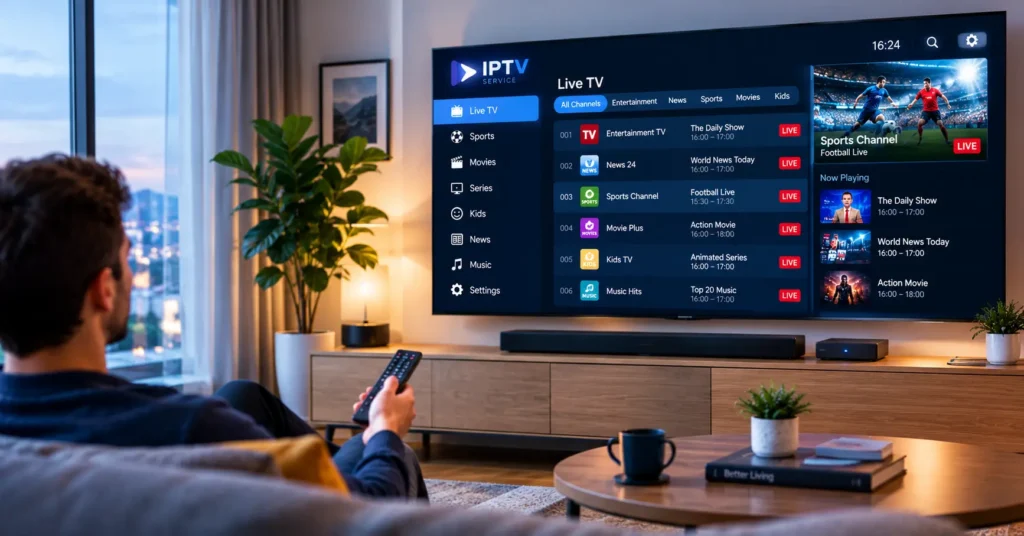
Neither approach is wrong, but they suit different kinds of users. If you want a plug and play experience, a branded app usually wins outright. If you like control over playlists, EPG sources, and multiple device setups, configuring smart iptv manually gives you more flexibility, though it asks a bit more patience upfront.
Device compatibility deserves attention before purchase too, not after. A plan that works beautifully on an Android box might behave inconsistently on an older smart TV operating system, so checking supported devices ahead of time avoids an awkward surprise on installation night.
A Side by Side Comparison
| Factor | Cheap IPTV Subscription | IPTV Premium |
|---|---|---|
| Typical price range | Lower, often heavily discounted | Higher, reflects server investment |
| Stream stability at peak hours | Variable, more buffering risk | Generally more stable |
| Channel and VOD breadth | Often decent but inconsistent | Usually broader and better maintained |
| Support responsiveness | Ranges widely by reseller | Often prioritized, faster tickets |
| Best suited for | Casual viewers, light usage | Households streaming daily, multiple devices |
These are general patterns rather than a guarantee for any specific provider. Individual results depend heavily on which iptv reseller actually sits behind whichever plan you choose, since the same brand name can mean very different infrastructure depending on who operates it locally.
The Technology Running Quietly Behind the Scenes
Behind every abonnement iptv sits a chain of infrastructure most subscribers never think about. Encoding servers convert broadcast feeds into streamable formats, content delivery networks push that data closer to viewers, and panel software manages who has access to what. Each link in that chain can become a bottleneck.
Bandwidth allocation matters more than most marketing pages admit. A server built to comfortably handle a thousand simultaneous streams will perform very differently once five thousand people are logged in during a big evening broadcast. This is precisely why identical looking plans can behave so differently once real usage kicks in.
Redundancy is another quiet factor. Providers who maintain backup servers and failover systems tend to recover from outages faster than those running on a single point of failure. You won’t see redundancy advertised anywhere, but you’ll notice its absence the moment a stream drops during something you actually wanted to watch.
Latency plays a smaller but still noticeable role, particularly for live sports and news where a delay of several seconds compared to broadcast television becomes obvious the moment someone nearby is watching on a different service. None of this needs to become your personal obsession, but it explains why price comparisons alone never tell the whole story about a given plan.
Choosing the Right Abonnement IPTV: A Buyer’s Checklist
I’ll admit something here. The first time I helped a friend pick a subscription years ago, we went with the cheapest option on the page without asking a single question first. Streams dropped constantly, support went silent within a week, and we ended up paying twice for something that should have worked from day one. That mistake shaped how I evaluate providers now.
- Ask for a trial period, even a short one, before committing to a longer plan
- Check whether the provider or iptv reseller offers a real support channel, not just a contact form
- Look at how transparently they describe server capacity and simultaneous connection limits
- Read recent, independent user feedback rather than testimonials sitting on the sales page itself
- Confirm which devices and apps, including smart iptv, are actually supported before paying anything
None of these steps take long individually, but together they cut your odds of a disappointing experience considerably.
What a Fair Trial Period Actually Looks Like
A genuine trial gives you enough time to test peak hour performance, not just a five minute preview during a quiet afternoon. Twenty four to forty eight hours is fairly standard among established resellers, and it’s usually enough to reveal whether buffering is a real concern for your household.
Be wary of trials that require full payment upfront with a vague promise of a refund if you’re unsatisfied. A trial without genuine risk on the provider’s side isn’t really a trial at all, and any abonnement iptv worth choosing should be confident enough to offer one without conditions attached.
Common Pitfalls Worth Avoiding
Buffering isn’t the only thing that trips people up. Plenty of buyers underestimate how much connection limits matter day to day. If your household has three people watching on different devices at once, a plan capped at a single connection will frustrate everyone within the first week.
Payment security matters just as much. A legitimate iptv reseller will typically use standard payment processors rather than requesting unusual transfer methods or cryptocurrency only checkouts with no other option. If something about a checkout process feels off, that instinct is almost always worth trusting.
Then there’s the renewal pricing trap. A plan advertised at an unbelievably low introductory rate sometimes hides a much higher cost at the second billing cycle. Reading the fine print before the first payment saves considerable frustration later on.
comparing IPTV plan pricing structures → / iptv pricing
Overpromising channel counts is another pattern worth watching. A provider claiming an implausibly enormous channel list, far beyond what competitors offer at similar prices, deserves extra scrutiny rather than automatic trust.
Red Flags Worth Remembering
Certain warning signs repeat across the market regardless of branding. Pressure tactics urging immediate payment, an absence of any written refund policy, and reviews that all read suspiciously similar in tone are three of the more common ones worth watching for before you commit to an abonnement iptv.
Is an Abonnement IPTV Worth It for Everyone?
Not necessarily, and I’d rather say that plainly than oversell the idea to every reader. If you only watch a handful of shows through existing streaming apps already, adding another subscription on top might be an unnecessary monthly expense. It makes the most sense for households wanting live sports coverage, international channels, or a wide catch up library gathered in one place.
According to Ofcom’s media use reports, viewing habits keep shifting toward on demand and internet delivered content across age groups, which partly explains why this market keeps expanding rather than shrinking. That broader trend doesn’t mean every provider is trustworthy, but it does explain sustained demand across different regions.
If you’re weighing a cheap iptv subscription against an iptv premium tier, be honest with yourself about actual viewing habits. Light, occasional viewing rarely needs premium infrastructure. Daily, multi device streaming usually does, and paying for premium in that case tends to pay for itself in fewer frustrating evenings.
Ultimately, the right abonnement iptv is the one that matches your household’s actual usage rather than the one with the flashiest landing page or the loudest advertising.
Renewing, Switching, and Avoiding Downtime
Renewal season is where a lot of subscribers discover problems they didn’t know existed. Some providers quietly raise prices at renewal, banking on the fact that most people won’t compare rates again once they’re already settled in. Setting a calendar reminder a week before your billing date gives you a chance to check current pricing rather than being caught off guard.
Switching providers is usually simpler than people expect, provided you plan ahead rather than waiting until an existing plan has already stopped working. Keep a short overlap between the old and new subscription if your budget allows it, since testing a new iptv reseller while the previous one is still active means you’re never left without any service at all.
Export your favourite channel list and any custom EPG settings before cancelling anything. Rebuilding a curated setup from scratch on smart iptv or a similar app is tedious, and a few minutes of backup work beforehand saves a genuinely annoying afternoon later.
Finally, keep a record of what you paid and when. If a provider’s pricing pattern starts looking inconsistent from one renewal to the next, that record becomes useful evidence when deciding whether to stay or move on to a different plan entirely.
Frequently Asked Questions
Is an abonnement iptv legal to use?
Legality depends heavily on the specific content and licensing arrangements behind the provider you choose, and rules vary by country. Reputable providers and resellers should be transparent about how their content is sourced. When in doubt, research a provider’s standing and recent reviews before subscribing to anything.
What’s the difference between a cheap iptv subscription and iptv premium?
A cheap iptv subscription typically runs on more heavily shared server resources, which can mean more buffering during busy hours. An iptv premium plan usually invests in better provisioned infrastructure, giving more stable streams, though usually at a higher price point.
Do I need a smart iptv app to watch my subscription?
Not always. Some providers offer their own branded apps, while others expect you to use a third party player like smart iptv to load your playlist. It depends entirely on how the specific service is structured behind the scenes.
How do I know if an iptv reseller is trustworthy?
Look for clear support channels, honest disclosure about server capacity, and independent recent reviews rather than only testimonials on their own site. A trial period, even a short one, is also a strong signal of confidence from the reseller.
Why do some abonnement iptv services buffer more than others?
Buffering usually comes down to server capacity relative to the number of active users at a given moment. A provider that oversells connections without adequate infrastructure will struggle during peak viewing hours, regardless of how the plan was originally marketed.